


What Type of Liquid Flow Meter Is Best for Your Process?
Release time: 2026-09-04
Table of Contents
Choosing a flow meter is not simply about finding a device that can measure liquid flow. Different liquids, flow rates, pressures, temperatures, and process requirements may require different measurement technologies. A meter that works well for clean, low-viscosity liquid may not be the right choice for oil, chemicals, or other demanding media.
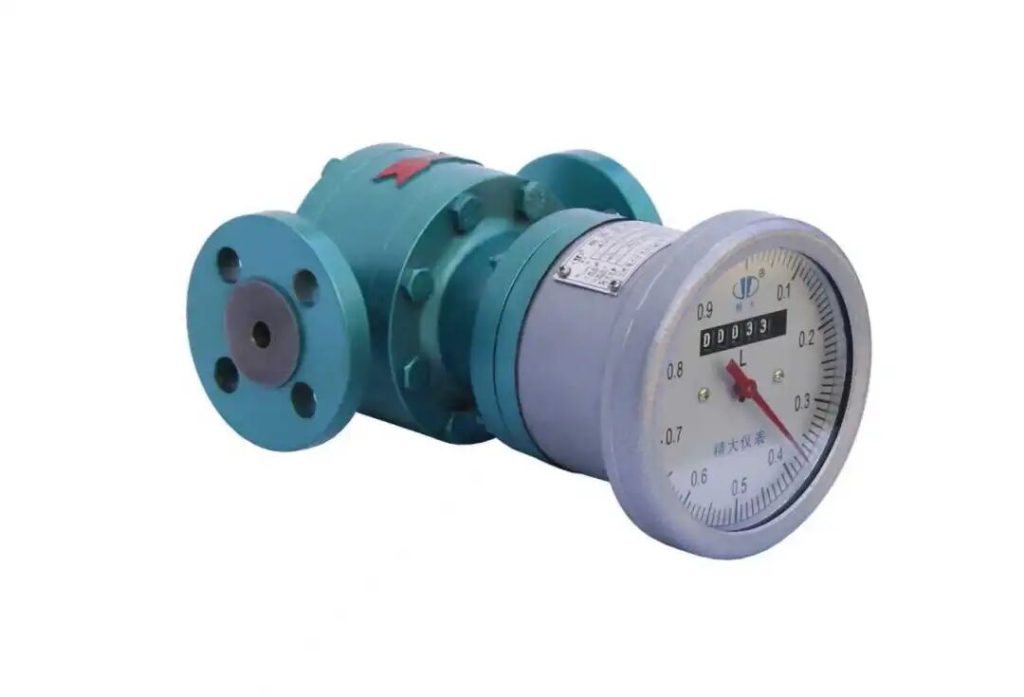
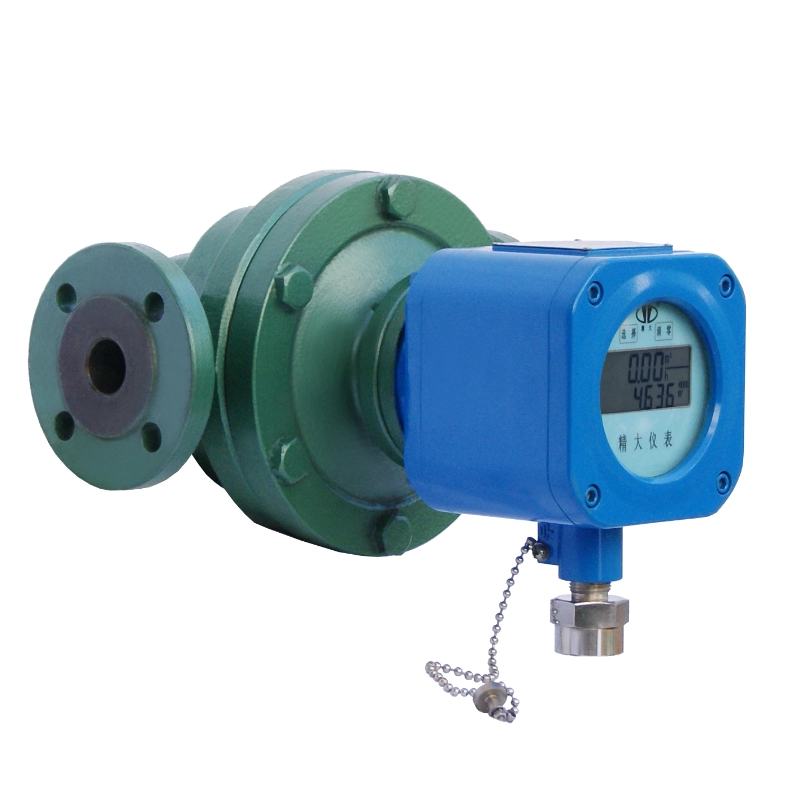
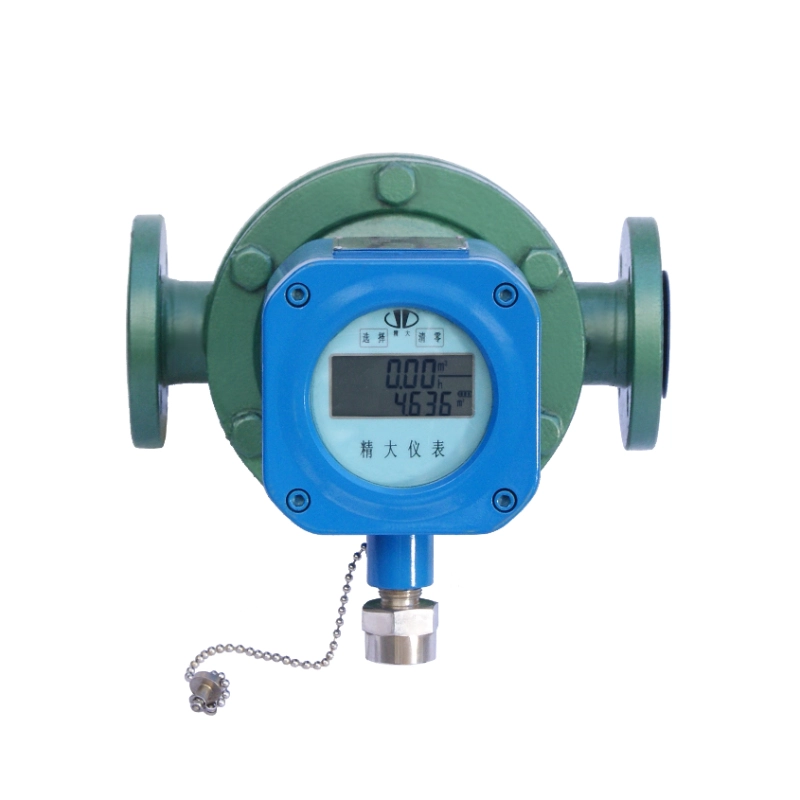
Hefei Jingda Instrument Co., Ltd. provides a range of liquid flow meters, including oval gear flowmeters, mass flowmeters, gear flow meters, scraper flowmeters, dual rotor flowmeters, electromagnetic flowmeters, Roots flowmeters, and liquid turbine flowmeters. With different technologies available, users can compare their actual process conditions before deciding which meter is most suitable.
Start with the Liquid Being Measured
The properties of the liquid are usually one of the first things to consider when selecting a flow meter.
Viscosity, conductivity, cleanliness, corrosiveness, and the presence of suspended particles can all affect the choice. For example, positive displacement meters can be a practical option for viscous liquids, while electromagnetic flowmeters are designed for conductive fluids.
This is why there is no single meter that is suitable for every process.
Before choosing an industrial Liquid Flow Meter, it is useful to ask:
- What type of liquid will be measured?
- Is the liquid clean or does it contain solid particles?
- Is the viscosity low, medium, or high?
- Is the liquid conductive?
- Will the liquid temperature change during operation?
- Does the medium contain corrosive or aggressive components?
Answering these questions can quickly narrow down the available options.
Match the Flow Meter to the Process
Different flow meter technologies have different strengths. Looking at the main Liquid Flow Meter Types can provide a useful starting point for selection.
| Flow Meter Type | Suitable Conditions | Main Advantage | Key Considerations |
| Oval Gear Flowmeter | Low to high-viscosity liquids | Accurate volumetric measurement and good viscosity adaptability | Flow range, viscosity, pressure, and material compatibility |
| Mass Flowmeter / Coriolis Flowmeter | Applications requiring direct mass measurement | High accuracy and wide range ratio | Initial cost and process requirements |
| Gear Flow Meter | Medium to high-viscosity liquids | Compact structure and reliable measurement | Viscosity and operating range |
| Graphite Scraper Flowmeter | Precision liquid measurement, including light fuels | High-precision volumetric measurement | Medium and operating conditions |
| Metal Scraper Flowmeter | Continuous or intermittent precision measurement | Suitable for demanding liquid measurement | Material and process conditions |
| Dual Rotor Flowmeter | Industrial liquid flow measurement | Stable measurement with a dual-rotor structure | Flow range and application requirements |
| Electromagnetic Flowmeter | Conductive liquids | No moving parts in the measuring tube | Not suitable for non-conductive liquids |
| Roots Flowmeter | Volumetric liquid measurement | Accurate cumulative and instantaneous measurement | Installation and medium conditions |
| Liquid Turbine Flowmeter | Clean, relatively low-viscosity liquids | Fast response and practical digital output options | Liquid cleanliness and flow velocity |
The product range covers several different measurement technologies, so the selection can be based on the actual application rather than simply choosing the most familiar type of meter.
When Is an Oval Gear Flowmeter a Good Choice?
An oval gear flowmeter can be a good option when accurate volumetric measurement is required, particularly when the liquid has a relatively high viscosity.
The LC series oval gear flowmeter is designed for continuous liquid flow measurement and offers viscosity adaptability, a wide measurement range, and low pressure loss. Depending on the configuration, it can provide pulse, 4–20 mA, RS485, and HART outputs. Different wetted materials can also be selected according to the liquid being measured.
This makes the technology worth considering for applications involving oils, chemicals, fuels, and other liquids where stable volumetric measurement is important.
When Should You Consider a Mass Flowmeter?
A Coriolis mass flowmeter may be more suitable when the process requires direct mass flow measurement rather than simply measuring liquid volume.
The JDMF series is designed for high measurement accuracy and a wide range ratio. It also has relatively low requirements for field pipeline installation and medium cleanliness.
This type of meter can be considered when accurate flow data is important for batching, process control, material management, or other operations based on mass flow.
However, it is still important to consider the overall project cost. A higher-specification meter is not necessarily the best choice if the process does not require its additional capabilities.
What About Electromagnetic Flowmeters?
Electromagnetic flowmeters work differently from mechanical volumetric meters. They are designed for conductive liquids and use electromagnetic induction to determine flow velocity.
This makes them relevant for applications involving conductive water-based liquids, wastewater, slurries, and certain chemical fluids.
The LDJ electromagnetic flowmeter uses the principle of electromagnetic induction. Since there are no mechanical measuring elements rotating inside the measuring tube, this type of meter can be useful when avoiding moving parts is an important consideration.
The key point is conductivity. If the process liquid does not have sufficient conductivity, an electromagnetic flowmeter may not be the right choice.
High-Viscosity Liquids Need Special Attention
Viscosity is an important factor when selecting a Liquid Flow Meter.
For liquids such as oil, heavy fuel, paint, adhesives, or other viscous media, the meter should be selected according to both the expected viscosity and the actual flow range. A meter that performs well with one liquid may not provide the same results when the medium becomes significantly thicker.
Oval gear and gear flow meters are therefore worth considering for high-viscosity applications. The product range includes a gear flow meter designed for high-viscosity liquid measurement, while the oval gear flowmeter also offers good viscosity adaptability.
Temperature should also be considered because the viscosity of some liquids can change significantly as temperature changes.
Do Not Ignore Flow Range
Another common mistake is choosing a flow meter based only on the maximum expected flow rate.
The normal operating range matters just as much.
For example, if a process normally runs at a low flow rate but occasionally reaches a much higher rate, the selected meter needs to provide reliable measurement across the working range. Looking at minimum flow, normal flow, maximum flow, accuracy requirements, and turndown ratio together provides a better basis for selection.
This is particularly important for batching, dosing, and process control applications.
Consider Pressure, Temperature, and Materials
The process environment should also be considered before selecting an industrial liquid flow meter.
A suitable meter needs to withstand the actual operating pressure and temperature. At the same time, the wetted materials need to be compatible with the liquid.
For example, the LC series oval gear flowmeter provides different material options for different liquids, while temperature and pressure configurations can vary according to the model and application.
Before placing an order, it is useful to provide the supplier with:
- Liquid name and basic properties
- Minimum, normal, and maximum flow rate
- Operating pressure
- Operating temperature
- Pipeline size
- Required accuracy
- Required output or communication method
- Wetted material requirements
- Installation conditions
The more complete the information, the easier it is for the supplier to recommend an appropriate meter instead of simply suggesting a commonly used model.
Which Liquid Flow Meter Should You Choose?
There is no universal answer. The best choice depends on how the meter will actually be used.
A simple decision process can look like this:
High-viscosity liquid?
→ Consider an oval gear or gear flow meter.
Need direct mass flow measurement?
→ Consider a Coriolis mass flowmeter.
Conductive liquid?
→ An electromagnetic flowmeter may be suitable.
Clean, relatively low-viscosity liquid?
→ A liquid turbine flowmeter may be worth considering.
Need precision volumetric measurement?
→ Consider oval gear, scraper, dual rotor, or Roots flowmeter options according to the process.
This approach is more useful than selecting a meter based only on a general product name because the actual process conditions determine whether a particular technology will perform as expected.
What Information Should You Provide Before Requesting a Quote?
If you are purchasing a flow meter for a new project or replacing an existing unit, providing complete operating information can make the quotation process more efficient.
A basic inquiry can include:
| Information | Example |
| Medium | Water, oil, chemical liquid, fuel, etc. |
| Flow Range | Minimum / normal / maximum |
| Pipe Size | DN25, DN50, DN100, etc. |
| Pressure | Operating and maximum pressure |
| Temperature | Normal and maximum temperature |
| Accuracy | Required measurement accuracy |
| Connection | Flange, threaded, or other connection |
| Output | Pulse, 4–20 mA, RS485, HART, etc. |
| Material | Carbon steel, stainless steel, or other requirement |
| Quantity | Number of meters required |
Providing this information can help the supplier determine which of the available Liquid Flow Meter Types is most appropriate for the project.
FAQ
1. Which liquid flow meter is best for high-viscosity liquids?
Oval gear and gear flow meters are commonly considered for high-viscosity liquids because their measurement principles can work well with thicker media. The actual choice should still be based on viscosity, flow range, pressure, temperature, and liquid compatibility.
2. Can one flow meter measure different liquids?
In some cases, a flow meter can be used with different liquids, but this depends on the meter type, wetted materials, viscosity range, temperature, pressure, and calibration requirements. The specific medium should be confirmed before changing applications.
3. Is an electromagnetic flowmeter suitable for oil?
Conductivity needs to be considered first. Electromagnetic flowmeters require conductive liquids, so they are not suitable for every type of oil.
4. What information is needed to select a liquid flow meter?
The most useful information includes liquid type, flow range, viscosity, temperature, pressure, pipe size, required accuracy, connection type, material requirements, and output signal.
5. Can a liquid flow meter be customized for a specific application?
Depending on the model, options such as materials, output signals, communication methods, and other configurations may be available. For projects involving unusual liquids or operating conditions, it is recommended to discuss the application requirements with the manufacturer before ordering.
Final Thoughts
Selecting the right liquid flow meter is ultimately about matching the measuring technology with the real process. Liquid properties, flow range, pressure, temperature, accuracy, pipeline conditions, and communication requirements all deserve attention before a final decision is made.
With a range covering positive displacement, mass, electromagnetic, turbine, dual rotor, scraper, and Roots technologies, Hefei Jingda Instrument Co., Ltd. can provide different options for liquid flow measurement rather than relying on a single meter type.
For a new installation, replacement project, or customized measurement requirement, providing the actual operating conditions is the best starting point for finding a suitable flow meter.

