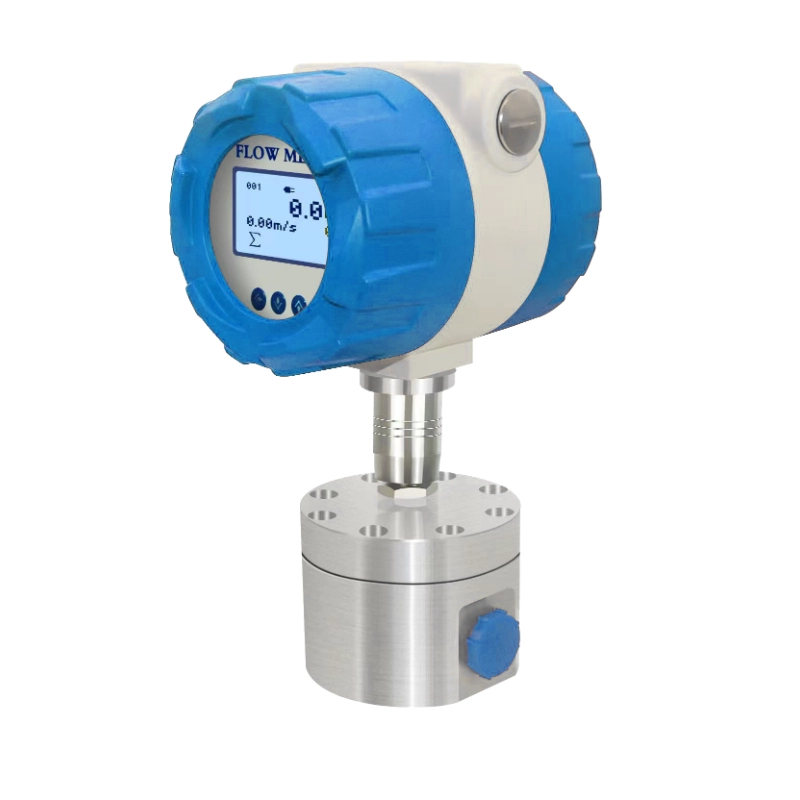
What to Consider When Choosing an Oval Gear Flowmeter for Chemical Processes
Release time: 2025-12-18
Table of Contents
In chemical processing industries, accurate and reliable flow measurement is essential for product quality, process safety, and cost control. Oval gear flowmeters are widely used in chemical applications because of their high accuracy, repeatability, and suitability for viscous fluids. However, selecting the right oval gear flowmeter for chemical processes requires careful evaluation of several technical and operational factors.
Below are the key considerations to ensure the flowmeter performs reliably under demanding chemical conditions.
1. Chemical Compatibility of Wetted Materials
One of the most critical factors is material compatibility. Chemical processes often involve corrosive, aggressive, or reactive fluids. The flowmeter’s wetted parts—such as the housing, gears, seals, and bearings—must be resistant to chemical attack.
Common material options include:
- Stainless steel (316/316L) for many acids, solvents, and process chemicals
- Hastelloy or special alloys for highly corrosive environments
- PTFE, FKM, or Kalrez seals depending on temperature and chemical resistance
Selecting incompatible materials can lead to premature wear, leakage, or measurement drift, making compatibility checks essential during selection.
2. Fluid Viscosity and Flow Range
Oval gear flow meters excel in measuring medium to high viscosity fluids, which are common in chemical processing, such as resins, polymers, additives, and oils. However, viscosity directly affects performance.
When choosing a flowmeter, consider:
- Minimum and maximum operating viscosity
- Expected viscosity changes due to temperature fluctuations
- Required flow range and turndown ratio
Ensuring the flowmeter is sized correctly for both normal and extreme operating conditions helps maintain accuracy and avoids excessive pressure loss.
3. Accuracy and Repeatability Requirements
Different chemical processes demand different levels of measurement precision. For dosing, blending, or batch control, high accuracy and repeatability are essential to maintain consistent formulations.
Key questions to evaluate include:
- What accuracy level is required (e.g., ±0.5%, ±0.2%)?
- Is long-term repeatability more important than absolute accuracy?
- Will the meter operate continuously or in batch mode?
Oval gear flowmeters are well-suited for applications where consistent, repeatable measurement is critical over long production cycles.
4. Operating Pressure and Temperature
Chemical systems often operate under elevated pressures and temperatures. The selected oval gear flowmeter must be rated for the maximum expected operating conditions, including safety margins.
Consider:
- Maximum working pressure and pressure spikes
- Operating and ambient temperature ranges
- Thermal expansion effects on measurement accuracy
Ignoring these factors can result in mechanical stress, seal failure, or reduced service life.
5. Installation and Maintenance Considerations
One advantage of oval gear flowmeters is that they typically do not require long straight pipe runs, making them suitable for compact chemical skids and tight installations. However, maintenance requirements should still be evaluated.
Important aspects include:
- Ease of disassembly for cleaning
- Accessibility for inspection and calibration
- Availability of spare parts
In chemical environments, regular maintenance planning helps prevent downtime and contamination issues.
6. Output Signals and System Integration
Modern chemical plants rely heavily on automation. The flowmeter should support integration with existing control systems such as PLCs, DCS, or SCADA.
Common output options include:
- Pulse output for batching and totalizing
- 4–20 mA for continuous monitoring
- Digital communication protocols like Modbus or RS485
Choosing the right output ensures smooth data acquisition and process control.
Conclusion
Selecting an industrial oval gear flowmeter for chemical processes is not just about choosing a meter with the right flow range. Material compatibility, viscosity handling, accuracy needs, operating conditions, maintenance requirements, and system integration all play crucial roles in long-term performance.
By carefully evaluating these factors, chemical manufacturers can ensure accurate flow measurement, stable production processes, and reduced operational risks—making the oval gear flowmeter a reliable solution for demanding chemical applications.