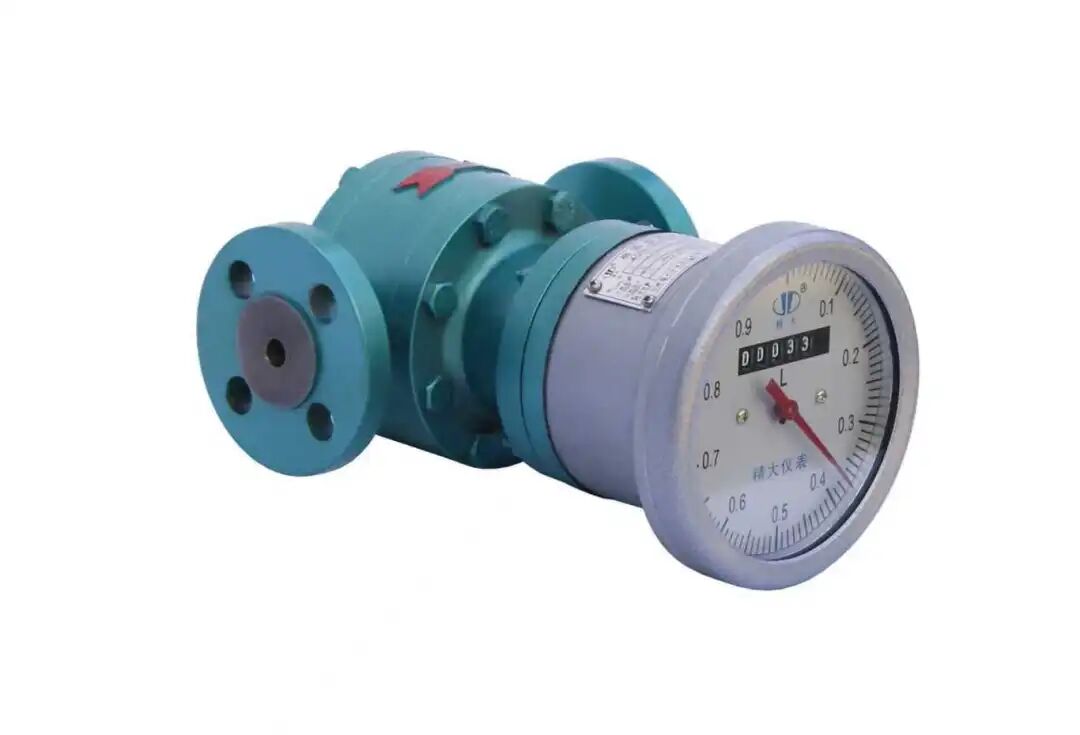
What maintenance of oval gear flowmeter is required to ensure long-term accuracy?
Release time: 2025-12-23
Table of Contents
Oval gear flowmeters are widely used in industrial applications due to their high accuracy, excellent repeatability, and ability to handle viscous fluids. However, like all positive displacement flowmeters, their long-term accuracy depends not only on design quality but also on proper and consistent maintenance. Without adequate maintenance, mechanical wear, contamination, and changing process conditions can gradually reduce measurement reliability.
Below are the key maintenance practices required to ensure long-term accuracy of oval gear flowmeters.
1. Routine Visual and External Inspections
Regular visual inspections are the first line of defense against accuracy loss. Even minor external issues can eventually affect internal performance.
Key inspection points include:
- Leakage around flanges, fittings, or seals
- Corrosion or damage to the meter body
- Loose electrical connections or signal cables
Identifying and correcting these issues early helps prevent internal wear and unplanned shutdowns.
2. Internal Cleaning to Prevent Build-Up
Oval gear flowmeters rely on precise mechanical movement of the oval gears. In applications involving oils, chemicals, resins, or food-grade liquids, residue and deposits can accumulate over time.
Recommended cleaning practices:
- Establish cleaning intervals based on fluid properties
- Flush the meter after batch processes or fluid changes
- Use cleaning agents compatible with meter materials
Keeping the internal chamber and gears clean ensures smooth rotation and consistent volumetric displacement.
3. Monitoring Wear of Gears and Bearings
Because accurate oval gear flowmeters contain moving components, gradual wear is unavoidable—especially in high-duty or abrasive applications.
Maintenance personnel should monitor:
- Gear tooth wear and surface condition
- Bearing smoothness and alignment
- Increased friction or noise during operation
Excessive wear can lead to internal leakage and reduced accuracy. Timely replacement of worn parts helps maintain original performance levels.
4. Periodic Calibration and Verification
Even when well maintained, oval gear flowmeters may experience slight calibration drift over long periods of operation. Periodic calibration verification is essential to ensure measurement accuracy remains within acceptable limits.
Best practices include:
- Verifying calibration against a reference standard
- Rechecking calibration after maintenance or process changes
- Adjusting calibration frequency based on application severity
Applications involving batching, dosing, or quality control typically require more frequent verification.
5. Seal and O-Ring Inspection and Replacement
Seals and O-rings are critical for preventing internal bypass and maintaining pressure integrity. Exposure to chemicals, high temperatures, or pressure cycling can degrade sealing materials over time.
Maintenance recommendations:
- Inspect seals during scheduled shutdowns
- Replace seals showing swelling, cracking, or hardening
- Select sealing materials compatible with the process fluid
Proper sealing prevents measurement errors caused by internal leakage.
6. Monitoring Operating Conditions
Changes in process conditions can directly affect flowmeter accuracy. Oval gear flowmeters are sensitive to viscosity, temperature, and pressure variations.
Operators should monitor:
- Changes in fluid viscosity due to temperature shifts
- Pressure spikes exceeding design limits
- Operation outside the recommended flow range
If operating conditions change, recalibration or system adjustments may be required to maintain accuracy.
7. Maintaining Accurate Maintenance Records
Consistent documentation supports long-term accuracy by helping identify trends and recurring issues.
Recommended records include:
- Inspection and cleaning schedules
- Calibration results and adjustments
- Component replacements and service history
Maintenance records enable proactive servicing and improve overall reliability.
Long-term accuracy of positive displacement oval gear flowmeters depends on a combination of good design and disciplined maintenance. Routine inspections, proper cleaning, wear monitoring, periodic calibration, and careful attention to operating conditions all play essential roles in preserving measurement performance.
By implementing a structured maintenance program, users can extend service life, reduce downtime, and ensure that oval gear flowmeters continue to deliver accurate and reliable flow data over the long term.