What Factors Should You Consider When Selecting an Industrial Liquid Flow Meter?
Release time: 2026-09-21
Table of Contents
Choosing a flow meter for an industrial pipeline involves more than looking for the highest accuracy rating. The properties of the liquid, expected flow range, operating temperature and pressure, pipeline conditions, and required output signals all need to be considered before a model is selected.

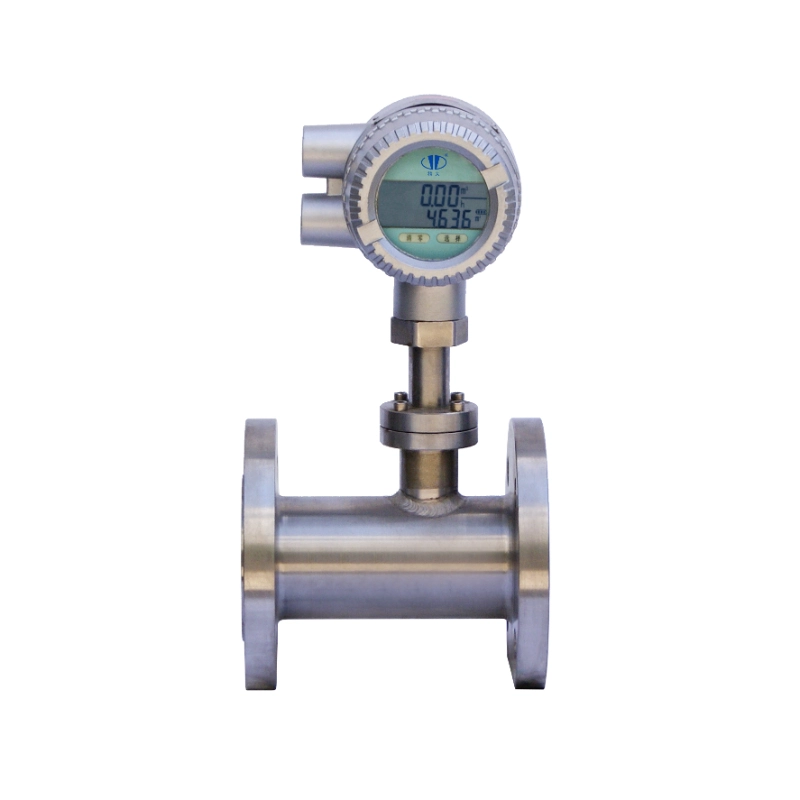
Hefei Jingda Instrument Co., Ltd. has been manufacturing flow measurement equipment since 1958. Its liquid flow meter range covers oval gear, Coriolis mass, gear, scraper, dual rotor, electromagnetic, Roots, and turbine flowmeters, providing different options for industrial processes with varying measurement requirements.
1. Start With the Liquid Being Measured
The properties of the liquid are one of the first things to look at. Viscosity, conductivity, temperature, corrosiveness, and suspended particles can all affect how a flow meter performs.
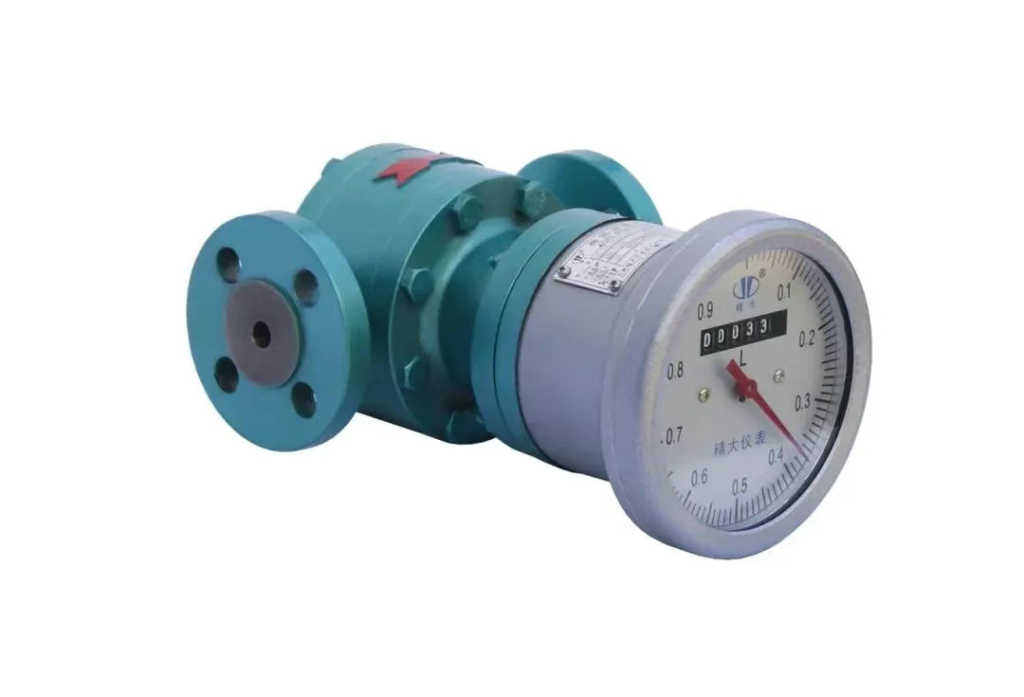
For low- or medium-viscosity liquids, several flow measurement technologies may work well. High-viscosity liquids require more careful selection. Positive displacement designs, such as oval gear and gear flowmeters, are often suitable because their measurement principle works well with viscous media.
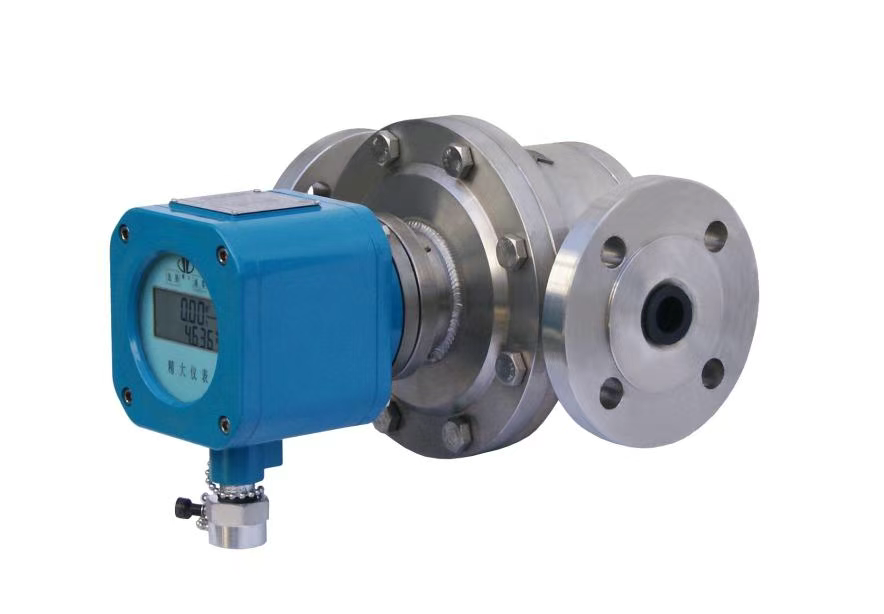
The LC series oval gear flowmeter, for example, is designed for continuous liquid measurement and can be used with high-viscosity liquids. The meter body is available in materials such as cast iron, cast steel, aluminum alloy, and stainless steel to suit different liquids and operating conditions.
For electrically conductive liquids, an electromagnetic flowmeter can be another practical choice. The important point is to match the measuring principle with the properties of the medium rather than choosing a meter based on its accuracy rating alone.
2. Check the Required Flow Range
The normal operating flow rate is important, but it is not the only figure that matters. The flow meter may need to measure both minimum and maximum flow while maintaining reliable performance across the operating range.
Before selecting a liquid flow meter, determine:
- Minimum flow rate
- Normal operating flow rate
- Maximum flow rate
- Expected flow fluctuations
- Required turndown ratio
A meter that is too large may spend most of its operating time near the lower end of its range. On the other hand, an undersized meter may cause unnecessary pressure loss or fail to handle peak flow.
When flow demand changes considerably during operation, a suitable measurement range is often more useful than simply choosing the meter with the highest stated accuracy.
3. Determine the Accuracy the Process Actually Requires
Accuracy matters, but the required level depends on what the measurement is being used for.
For basic process monitoring, extremely high accuracy may not always be necessary. Batching, dosing, production control, and commercial measurement are different. In these cases, both accuracy and repeatability can have a direct effect on the process.
This is where a high precision liquid flow meter can be valuable. The JDMF series Coriolis mass flowmeter, for example, can measure mass flow, volume flow, density, and temperature. Its stated mass-flow accuracy is ±[0.2% +(Zero stability/Instantaneous mass flow×100%)]. Depending on the configuration, it can also support 4–20 mA, frequency output, RS485/Modbus, and HART communication.
For systems that need several measurement parameters, having these functions in one instrument can simplify process monitoring.
4. Consider Temperature and Pressure Conditions
Actual industrial conditions can be quite different from laboratory conditions. Temperature changes may affect the properties of the liquid, while high pressure places greater demands on the meter body, seals, and connections.
When selecting an industrial liquid flow meter, check the actual operating temperature and pressure of the pipeline rather than relying only on the general specifications of a product series.
For example, the LC series oval gear flowmeter has an ambient temperature range of -40°C to 60°C and a standard medium temperature range of -20°C to +60°C. Configurations for higher-temperature applications are also available. The meter has an IP66 protection rating, with explosion-proof versions available for applicable conditions.
These specifications become particularly important when the meter is installed outdoors, in areas with large temperature changes, or in locations with specific protection requirements.
5. Make Sure the Meter Fits the Pipeline
A suitable flow meter still needs to work well with the existing pipeline. Before placing an order, check the pipe diameter, connection type, installation direction, available straight pipe length, and the space available around the meter.
The location of pumps, valves, elbows, reducers, and other pipeline components should also be taken into account, as they can affect the flow profile.
Different flow measurement technologies have different installation requirements. The JDMF Coriolis flowmeter, for instance, can be installed in horizontal or vertical pipelines, with the appropriate arrangement depending on the liquid and process conditions.
A technically suitable meter may not deliver the expected results if the installation conditions are overlooked. Reviewing the pipeline layout before choosing the model can prevent this type of problem.
6. Check the Required Output and Communication
In many industrial systems, flow data needs to be sent to a PLC, DCS, SCADA system, batch controller, or other control equipment rather than simply displayed on the meter.
Depending on the system, the required options may include:
- 4–20 mA analog output
- Pulse or frequency output
- RS485 communication
- Modbus
- HART communication
The LC series, for example, can be configured with pulse and current outputs, as well as RS485 and HART communication.
It is worth confirming the communication requirements before purchasing the meter. Doing so can make system integration easier and reduce the need for additional signal conversion equipment later.
7. Think About Maintenance and Calibration
Purchase price is only part of the cost of owning a flow meter. Maintenance, inspection, calibration, and replacement should also be considered, particularly for equipment that will operate continuously.
The cleanliness of the liquid, the presence of moving parts, accessibility of the installation point, and expected maintenance intervals can all influence the long-term practicality of a meter.
Calibration and verification are also important when liquid properties or operating conditions change over time. Keeping the meter properly checked can help maintain measurement consistency and reduce unexpected deviations.
8. Match the Meter Type to the Measurement Requirement
There is no single flow meter that works equally well for every liquid and process. The right choice depends on the properties of the medium and what the measurement needs to achieve.
For example:
| Application Requirement | Flow Meter Type to Consider |
| Viscous liquid measurement | Oval gear or gear flowmeter |
| High-accuracy mass measurement | Coriolis mass flowmeter |
| Conductive liquid measurement | Electromagnetic flowmeter |
| Continuous volumetric measurement | Roots or turbine flowmeter |
| Precision liquid measurement | Scraper or oval gear flowmeter |
| Variable industrial liquid measurement | Dual rotor flowmeter |
The FlowJD liquid flow meter range covers several measurement principles, making it possible to select a meter according to the actual process conditions rather than using the same design for every application.
9. Pay Attention to Material and Protection Requirements
The materials in contact with the liquid need to be compatible with the medium. This is particularly important for corrosive liquids or systems that handle different media.
Environmental conditions also matter. Outdoor installations, dusty areas, and potentially hazardous locations may require a specific protection level or an explosion-proof configuration.
The LC series, for example, is available with different body materials to suit the measured liquid. IP66 protection and explosion-proof configurations are also available for applicable operating conditions.
Make the Selection Based on the Complete Operating Condition
Selecting the right liquid flow meter involves more than matching the required flow rate. Liquid properties, flow range, accuracy, temperature, pressure, pipeline layout, communication requirements, material compatibility, and maintenance conditions all deserve attention.
Looking at these factors together can help industrial users avoid two common problems: paying for capabilities the process does not actually need, or choosing a lower-cost meter that cannot provide stable measurement under real operating conditions.
With decades of experience in flow measurement equipment manufacturing, Hefei Jingda Instrument Co., Ltd. provides a range of flow meters for different industrial requirements. Its product range allows users to select the appropriate measurement technology based on their actual process conditions and operating needs.