Попрощайтесь с проблемой выбора: легко подберите подходящий расходомер газа!
Дата выпуска: 11.12.2025
Оглавление
Выбор расходомера — это как заказ еды на вынос: предоставьте все необходимые данные.
Представьте, что вы хотите заказать еду на вынос, но говорите только: «Я хочу еду». Ресторан наверняка будет в замешательстве. Выбор расходомера аналогичен – вам нужно предоставить подробную «информацию о требованиях», чтобы найти подходящий продукт. При выборе четко определитесь со следующими моментами:
1. Какой газ вы измеряете? (Измеряемая среда) Это природный газ, кислород или обычный воздух? Разные расходомеры лучше всего подходят для разных задач. Например, некоторые могут измерять водород, а другие — нет.
2. Какой диаметр трубы? (Номинальный диаметр) Это напрямую определяет размер расходомера.
3. Каково давление? (Рабочее давление) Каково давление газа? Это влияет на то, сможет ли расходомер справиться с ним.
4. Какова температура? (Рабочая температура) Это комнатная температура или высокотемпературный пар? Расходомеры имеют «температурные пределы».
5. Каков расход воды? (Диапазон расхода) Каковы минимальный и максимальный расход? Это самое главное! Если вы выберете слишком малый расход, вы не получите точных измерений; если вы выберете слишком большой, измерения будут неточными. Кончик: В параметре «Расход» есть «рабочий расход» (расход в реальных условиях эксплуатации) и «стандартный расход» (расход в стандартных условиях эксплуатации), поэтому при выборе обращайте внимание на коэффициент пересчета!
6. Какова требуемая точность? (Оценка точности) Обычно это 1,0 или 1,5 балла, как при решении вопроса о том, нужно ли быть «очень точным» или достаточно «достаточно хорошим».
7. Каковы требования к потерям давления? (Потеря давления) Прохождение газа через расходомер приводит к потере давления, и в некоторых случаях это очень чувствительный фактор.
8. Каковы условия окружающей среды? (Температура, влажность, вибрация) Это сухое помещение или влажное помещение на улице? Присутствуют сильные вибрации?
9. Вам нужны связи? (Выходные сигналы и методы связи) Вам необходимо передать данные на компьютер или в систему управления?
10. Это безопасно? (Взрывозащищенность и уровень защиты) Во взрывоопасных средах (например, на автозаправочных станциях) взрывозащищенная модель просто необходима. На открытом воздухе она должна быть устойчива к дождю и пыли.
Краткое содержание: Перед выбором расходомера соберите всю необходимую информацию. Только после заполнения «контрольного списка требований» мы сможем помочь вам точно подобрать подходящий продукт!
Познакомьтесь с четырьмя распространенными «звездами» среди расходомеров.
На рынке представлено множество типов расходомеров, и четыре из них особенно популярны: вихревые, вихреотводящие, газотурбинные и газороторные. Каждый из них имеет свои особенности, поэтому давайте рассмотрим их подробнее:
1. Вихревой расходомер (Модель: серия VA)
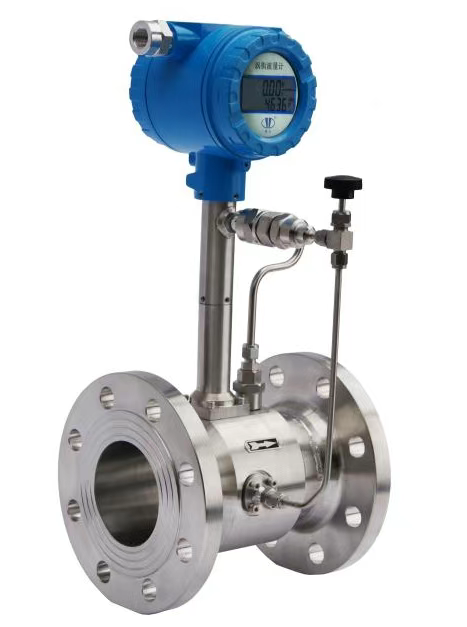
- Характеристики: Простая конструкция, долговечность (отсутствие движущихся частей), высокая точность, широкий диапазон расхода (измерение различных объемов потока), низкие потери давления. Также включает встроенные датчики температуры и давления для автоматической коррекции ошибок.
- Лучше всего подходит для: Используется для измерения газов (воздуха, кислорода, природного газа и т. д.), пара (насыщенного пара, перегретого пара) и жидкостей низкой вязкости (воды, масла и т. д.). Имеет очень широкое применение!
- Кончик: При установке оставьте длинный прямой участок трубы до и после счетчика, чтобы избежать сильных вибраций и электромагнитных помех. При измерении жидкостей предотвращайте образование пузырьков воздуха.
2. Расходомер с вихревым сбросом (Модель: серия LUXQ)
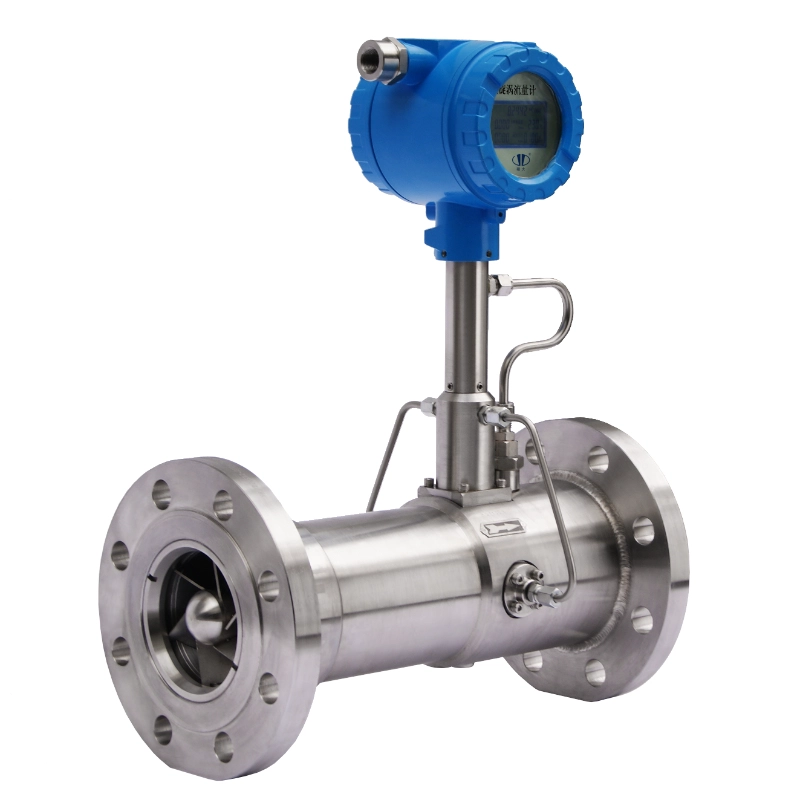
- Характеристики: Интегрирует измерение расхода, температуры и давления, обеспечивая автоматическую компенсацию с высокой степенью интеллектуальности. Стабильная работа и высокая помехоустойчивость.
- Лучше всего подходит для: Предназначен для измерения параметров газов (воздуха, природного газа и т. д.), пара и жидкостей с низкой вязностью. Особенно подходит для ситуаций, требующих одновременного измерения расхода, температуры и давления.
- Кончик: Потери давления у этого расходомера выше, чем у вихревого, поэтому при выборе убедитесь, что он соответствует требованиям вашей системы.
3. Расходомер газовой турбины (Модель: серия LWQZ)
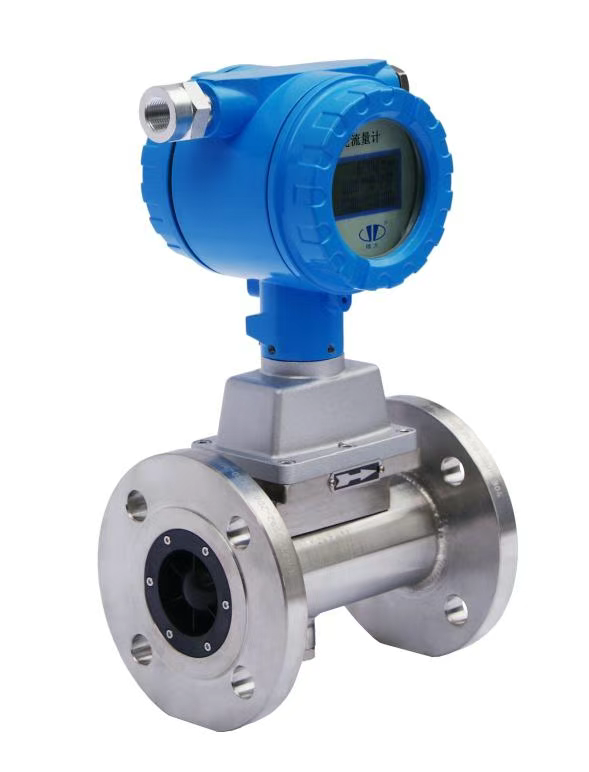
- Характеристики: Чрезвычайно высокая точность (особенно подходит для расчетов по сделкам, таким как купля-продажа природного газа), широкий диапазон расхода (очень низкие предельные значения расхода), низкие потери давления.
- Лучше всего подходит для: Измерение расхода чистых газов, таких как природный газ, городской газ, пропан и воздух. «Первоочередной выбор» для измерения расхода газа в газовой отрасли.
- Кончик: Требуется высокая чистота газа, часто с использованием фильтра. Температура среды не должна быть слишком высокой (обычно не выше 60°C).
4. Газовый роторный расходомер (Модель: серия LLQZ)
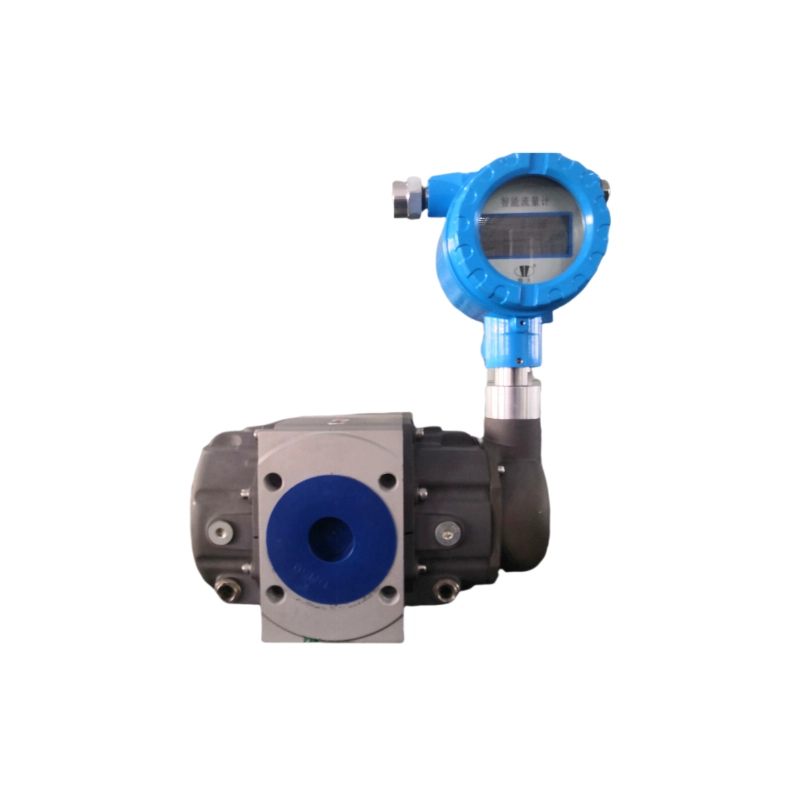
- Характеристики: Высокая точность (может также использоваться в качестве стандартного расходомера), очень широкий диапазон расхода (до 1:120), чрезвычайно низкий предел расхода. Это объемный расходомер, своего рода прецизионный «газоизмерительный прибор».
- Лучше всего подходит для: Измерение концентрации некоррозионных газов, таких как природный газ, городской газ и воздух. Широко используется для выставления счетов за газ в ресторанах, отелях и промышленных котельных.
- Кончик: Корпус обычно изготавливается из алюминиевого сплава, а номинальное давление, как правило, не превышает 1,6 МПа. Требуется высокая чистота рабочей среды, необходимо установить фильтр и регулярно доливать смазочное масло.
Выбор из реальной жизни: понимание примеров без затруднений
Теперь, когда вы знаете основы, давайте посмотрим, как на самом деле работает выбор расходомера. Основная идея выбора расходомера заключается в следующем:
1. Преобразование параметров: Исходя из известных условий эксплуатации (таких как давление, температура и стандартный расход), используйте физические формулы (например, закон идеального газа, формулы преобразования массы в объем) для расчета фактического диапазона объемного расхода в этих условиях.
2. Сопоставление диапазонов: Для определения номинального диапазона расхода (обычно это рабочий объемный расход) различных типов расходомеров обратитесь к каталогам продукции или техническим руководствам.
3. Комплексное рассмотрение: Выберите расходомер, диапазон измерения которого полностью охватывает рассчитанный вами фактический диапазон расхода, а также соответствует требованиям к давлению, температуре, точности, выходным сигналам и другим условиям.
Пример:
- Если вам необходимо измерить расход природного газа, сначала переведите максимальные и минимальные значения расхода при стандартных условиях и рабочем давлении в фактический объемный расход, а затем найдите подходящий турбинный расходомер.
- Если вам необходимо измерить массовый расход пара, преобразуйте известную плотность в объемный расход, а затем найдите подходящий вихревой расходомер.
Основная идея:
Ключ к выбору любого расходомера — это преобразование фактических условий эксплуатации в параметры, указанные в технической документации на расходомер, а затем выбор модели, соответствующей вашему диапазону расхода.
Заключение
Видите? Выбрать газовый расходомер не так уж и сложно! Запомнив «контрольный список требований», ознакомившись с четырьмя распространенными «ключевыми моделями» и поняв основные принципы выбора (преобразование параметров, согласование диапазонов), вы легко сможете начать! Конечно, реальный выбор может быть сложнее, требуя больше деталей и профессиональных расчетов, но, обладая этими базовыми знаниями, вы всегда можете обратиться в компанию Hefei Jingda Instrument за профессиональной консультацией по выбору расходомера! Мы предоставим экспертные рекомендации, адаптированные к вашим потребностям.