Oval Gear vs. Positive Displacement Flow Meters: Which is Right for Your Application?
Release time: 2025-11-12
Table of Contents
In industrial flow measurement, choosing the right flow meter is crucial for ensuring accuracy and efficiency. Two common types of flow meters are oval gear flow meters and positive displacement flow meters. While both types of flow meters operate differently, they both provide highly accurate flow measurements. Understanding the differences between them can help you make the right choice based on your application needs.

What is an Oval Gear Flow Meter?
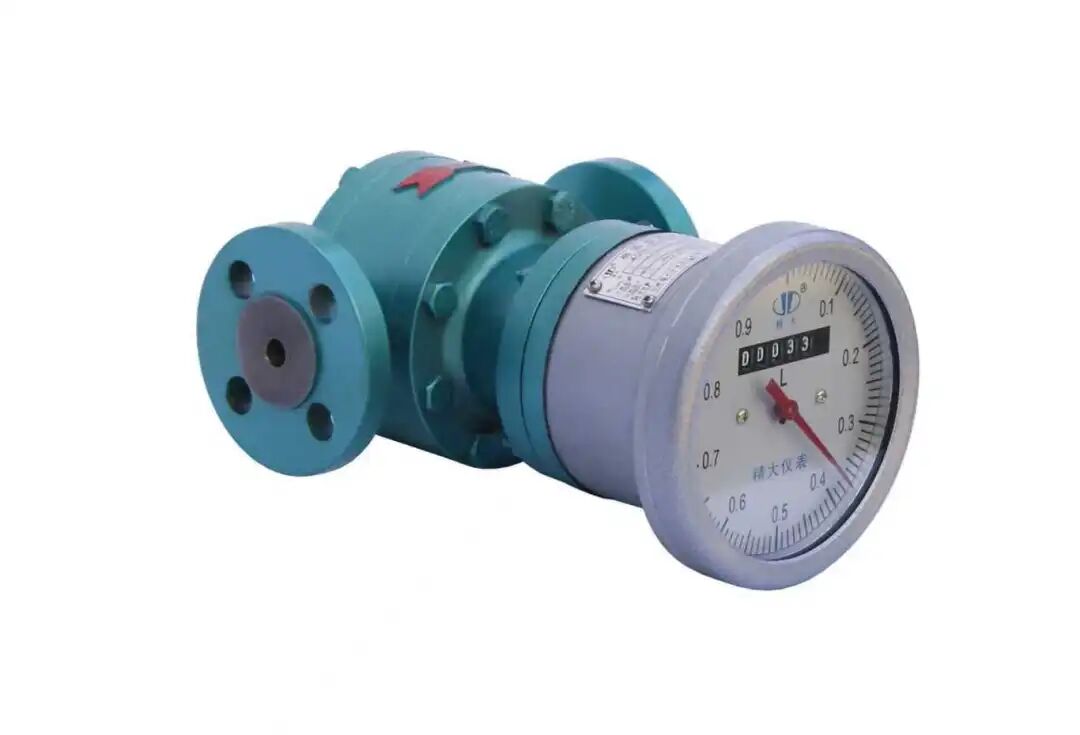
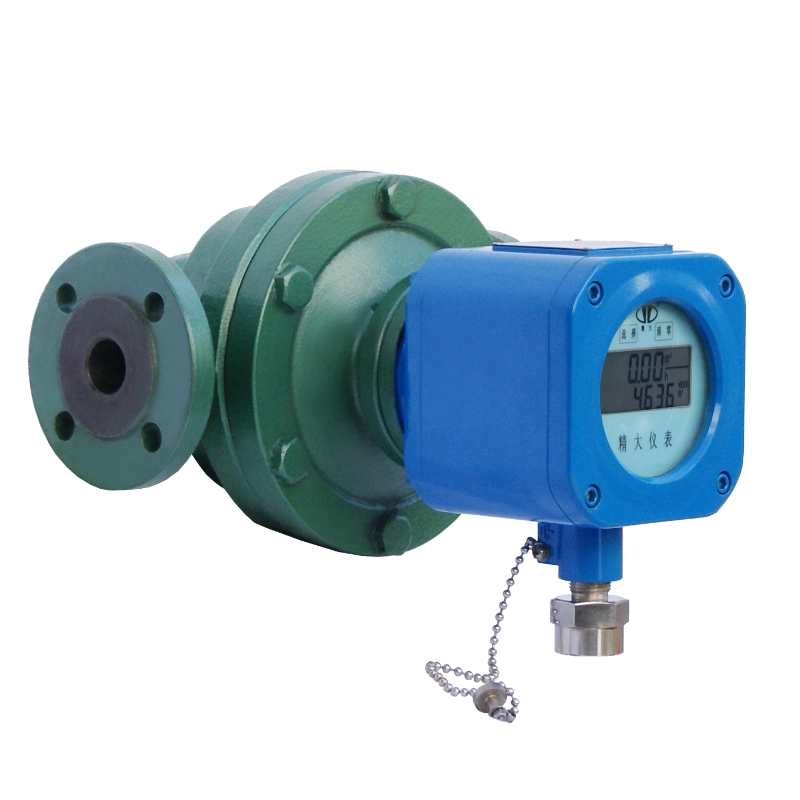
An oval gear flow meter is a type of positive displacement flow meter that uses two oval-shaped gears to measure the flow of liquid. As the liquid passes through the meter, it drives the gears to rotate, and the number of rotations is proportional to the volume of liquid flowing through. This type of flow meter is suitable for low to medium flow ranges, especially for measuring liquids with higher viscosities, such as oils, paints, and food industry slurries.
What is a Positive Displacement Flow Meter?
A positive displacement flow meter measures the volume of liquid by “displacing” a fixed amount of liquid with each rotation or movement of a component, such as a piston, gear, or diaphragm. Common types of positive displacement flow meters include piston meters, gear meters, and diaphragm meters. Positive displacement flow meters are often used to measure higher viscosity liquids and perform particularly well in low flow conditions.
Comparing Oval Gear Flow Meters and Positive Displacement Flow Meters
- Flow Range
Oval gear flow meters are best suited for medium flow ranges (usually from a few liters to several thousand liters). On the other hand, positive displacement flow meters can cover a wider flow range, from very low to relatively high flow rates. For applications requiring precise low-flow measurements, a positive displacement flow meter may be the better option. - Liquid Viscosity
Oval gear flow meters are especially suitable for measuring liquids with higher viscosities, such as oils, resins, or syrups. Due to their design, oval gears can handle viscous fluids more effectively. Positive displacement flow meters, however, can be used for liquids of varying viscosities, and they perform well in both low and high viscosity liquids, with particular strength in low-viscosity fluids like water. - Accuracy and Stability
Both types of flow meters are highly accurate, but high-precision oval gear flow meters generally offer slightly lower accuracy compared to other positive displacement flow meters. Positive displacement flow meters, with their mechanical design, provide stable and accurate measurements, especially during long-term use. Oval gear meters excel in high-viscosity fluid applications but may be affected by particulates or contaminants. - Maintenance and Cost
Oval gear flow meters are relatively easy to maintain and cost-effective, making them a good choice for small to medium-sized businesses. Positive displacement flow meters, however, tend to have more complex mechanical structures, and maintenance costs can be higher. Nevertheless, positive displacement flow meters are known for their durability and reliability, especially in applications requiring high precision over time. - Application Areas
Oval gear flow meters are widely used in industries like oil, chemicals, food and beverage, especially when measuring high-viscosity fluids. Positive displacement flow meters, on the other hand, have broad applications in oil and gas, chemicals, pharmaceuticals, and precision measurement industries. They are particularly suitable for low-flow and highly precise measurement scenarios.
Which Flow Meter is Right for Your Application?
Choosing between an oval gear flow meter and a positive displacement flow meter depends on several factors: the viscosity of the fluid, the required flow range, the level of accuracy needed, and maintenance costs. If your application involves high-viscosity liquids and moderate flow rates, an oval gear flow meter may be a cost-effective option. However, if you require extremely high accuracy and a wide flow range, a positive displacement flow meter may be better suited to your needs.
In summary, understanding the characteristics and application scenarios of each flow meter type is key to making the right choice. By weighing these factors, you can select the flow meter that best fits your application, ensuring accurate and efficient measurement.