Key Components of an Oval Gear Flowmeter Explained
Release time: 2026-01-05
Table of Contents
Oval gear flowmeters are widely used in industrial applications where accurate and repeatable liquid flow measurement is required. As a type of positive displacement flowmeter, they are especially suitable for measuring viscous fluids such as oils, fuels, resins, and chemicals. To understand why oval gear flowmeters deliver reliable performance, it is essential to examine their key components and how each part contributes to accurate flow measurement.
1、Meter Housing
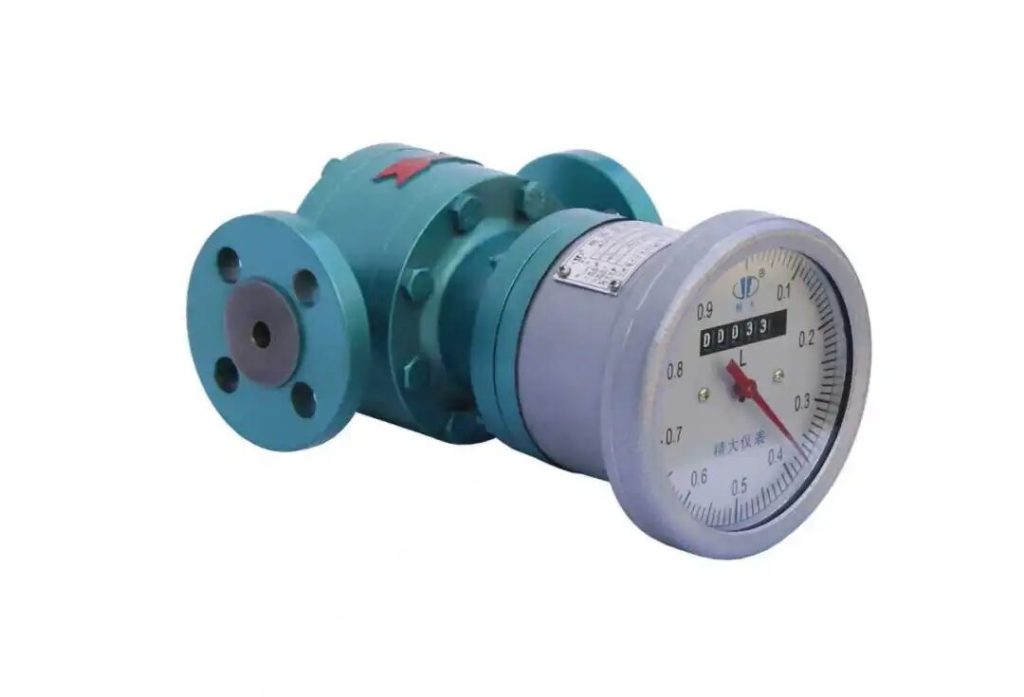
The meter housing forms the main body of the oval gear flowmeter. It contains all internal components and provides a sealed flow path for the liquid. The housing is typically manufactured from materials such as aluminum, stainless steel, or cast iron, depending on the application and fluid compatibility. A precisely machined housing ensures tight tolerances between the gears and the chamber walls, minimizing internal leakage and maintaining measurement accuracy.
2、Oval Gears
The oval gears are the core measuring elements of the flowmeter. These two oval-shaped rotors rotate as liquid passes through the meter. Each rotation displaces a fixed and known volume of fluid, making the measurement highly accurate and repeatable. The gears are usually made from wear-resistant materials such as stainless steel or engineered plastics to ensure long service life, even in demanding industrial environments.
3、Gear Shafts and Bearings
The oval gears are mounted on shafts that allow smooth and stable rotation. High-quality bearings support the shafts and reduce friction during operation. Low friction and precise alignment are critical to minimizing mechanical wear and ensuring consistent gear movement. Over time, worn bearings can affect measurement accuracy, which is why regular inspection and maintenance are important.
4、Measuring Chamber
The measuring chamber is the space within the housing where the oval gears rotate. Its geometry is carefully designed to maintain a constant displacement volume for each gear rotation. Any change in chamber dimensions due to wear or contamination can influence accuracy. For this reason, flowmeters used in abrasive or contaminated fluids often include filtration or protective measures to preserve the integrity of the chamber.
5、Sensors and Signal Output System
As the oval gears rotate, their movement must be converted into an electrical signal that represents flow rate or total volume. This is achieved through sensors such as magnetic pickups, Hall-effect sensors, or reed switches. These sensors detect gear rotation and generate pulses that are transmitted to a display, controller, or flow computer. The quality of the sensing system directly affects signal stability and measurement resolution.
6、Seals and Gaskets
Seals and gaskets play a vital role in preventing leakage and maintaining internal pressure. They also protect internal components from external contaminants. Seal materials are selected based on fluid type, temperature, and pressure conditions. Proper sealing ensures safe operation and helps maintain consistent performance over time.
7、Inlet and Outlet Connections
The inlet and outlet connections allow the flowmeter to be integrated into the piping system. Standard threaded, flanged, or sanitary connections are available to suit different installation requirements. Proper alignment and secure connections help ensure smooth flow into the measuring chamber, reducing the risk of air entrainment or turbulence that could affect measurement accuracy.
Each component of an accurate oval gear flowmeter plays a specific and essential role in achieving precise and reliable flow measurement. From the robust housing and precision-machined oval gears to the sensors and sealing system, all parts must work together seamlessly. Understanding these key components helps users select the right flowmeter, install it correctly, and maintain optimal performance in a wide range of industrial applications.