How Does an Oval Gear Flowmeter Ensure Accurate Liquid Flow Measurement?
Release time: 2026-10-23
Table of Contents
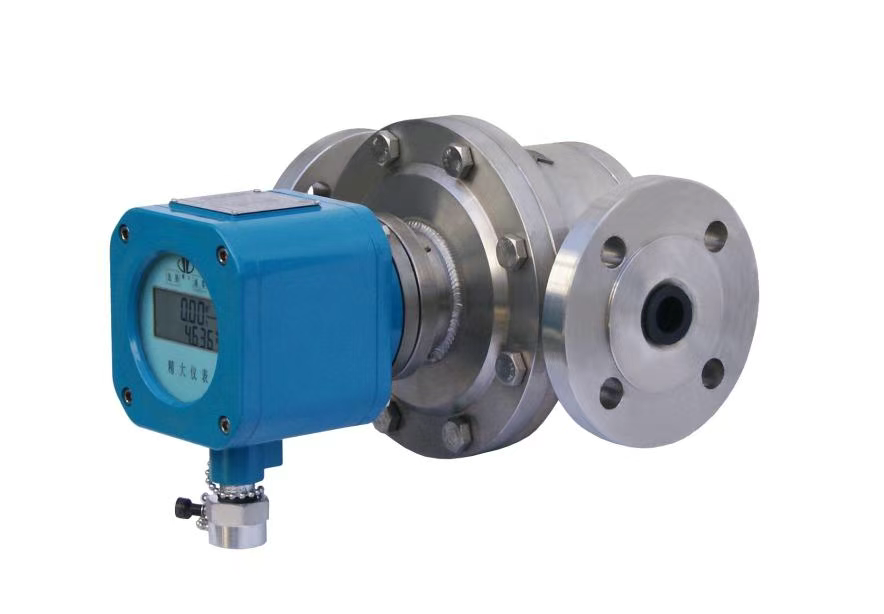
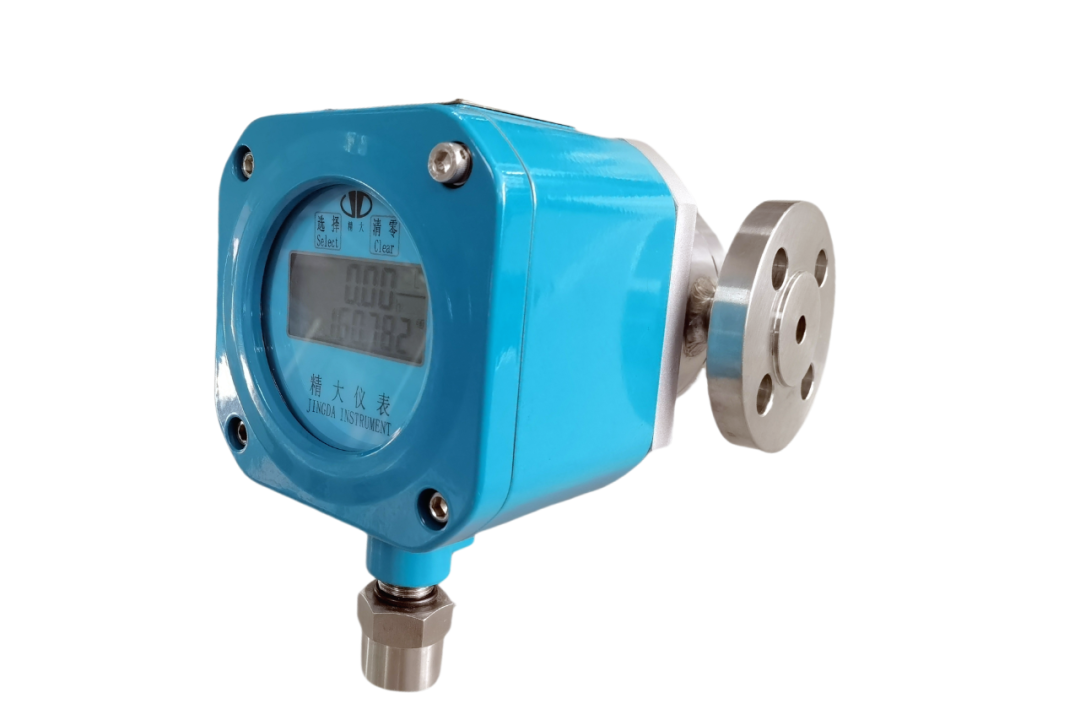
Accurate flow measurement is essential for controlling liquid transfer, monitoring consumption, and maintaining stable industrial processes. In applications involving oil, chemicals, and other industrial liquids, a suitable flowmeter must provide reliable readings under different operating conditions. An oval gear flowmeter is a positive displacement instrument designed to measure liquid flow by repeatedly capturing and displacing defined volumes of liquid as its internal gears rotate.
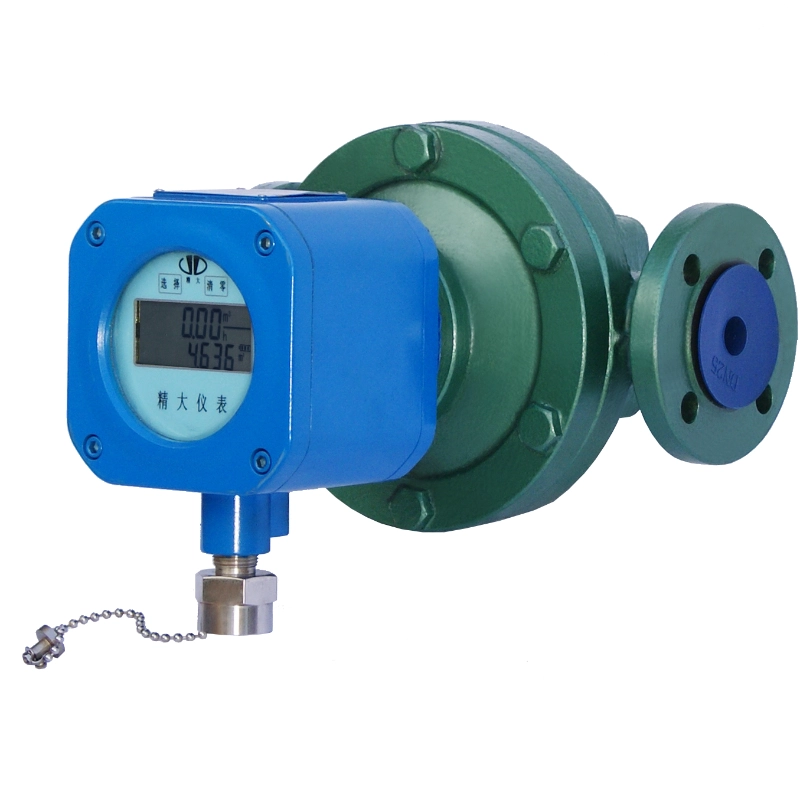
The LC series oval gear flowmeter uses a mechanical measuring structure and offers different material configurations, counter options, and signal outputs. With accuracy classes of 0.5 and 0.2 available, it provides a practical solution for industrial liquid flow measurement where consistent measurement and dependable flow data are important.
1. How Does an Oval Gear Flowmeter Work?
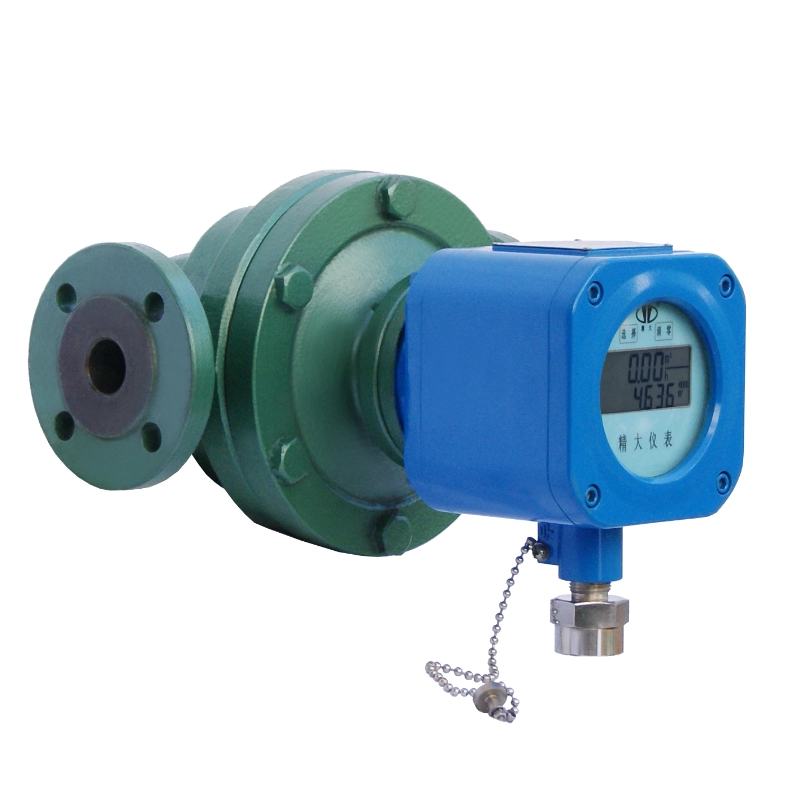
An oval gear flowmeter operates on the positive displacement principle. Its measuring chamber contains a pair of intermeshing oval gear rotors. As liquid passes through the meter, the pressure difference across the gears causes them to rotate, allowing fixed volumes of liquid to pass through the chamber in successive cycles.
The number of gear rotations corresponds to the volume of liquid that has passed through the meter. This relationship enables the instrument to calculate cumulative flow and, when equipped with a suitable counter, display instantaneous flow rate.
Compared with some other flow measurement technologies, a positive displacement flowmeter measures liquid volume directly through its mechanical displacement process. This principle makes it particularly useful for applications requiring reliable volume measurement, including liquid transfer, process monitoring, and industrial fluid handling.
2. Key Features That Support Measurement Accuracy
Several design and configuration factors contribute to the performance of an oval gear flowmeter.
High Measurement Accuracy
The LC series offers accuracy classes of 0.5 and 0.2, depending on the selected configuration. These options allow users to match the required measurement performance to their application. Correct model selection and suitable operating conditions remain important for achieving reliable results.
Adaptability to Different Liquid Viscosities
Oval gear flowmeters can measure liquids across a range of viscosities. This characteristic makes them suitable for various industrial fluids, including petroleum products and chemical liquids. The appropriate model should be selected according to the liquid’s viscosity and the required flow range.
Multiple Flow Range Options
The LC series covers different nominal diameters, including DN10, DN15, DN20, DN25, DN40, DN50, DN65, DN80, DN100, DN150, and DN200, with additional model variations available. Flow capacity depends on the selected model and the liquid’s operating characteristics. Matching the meter to the actual flow range helps support stable measurement.
Flexible Display and Signal Output
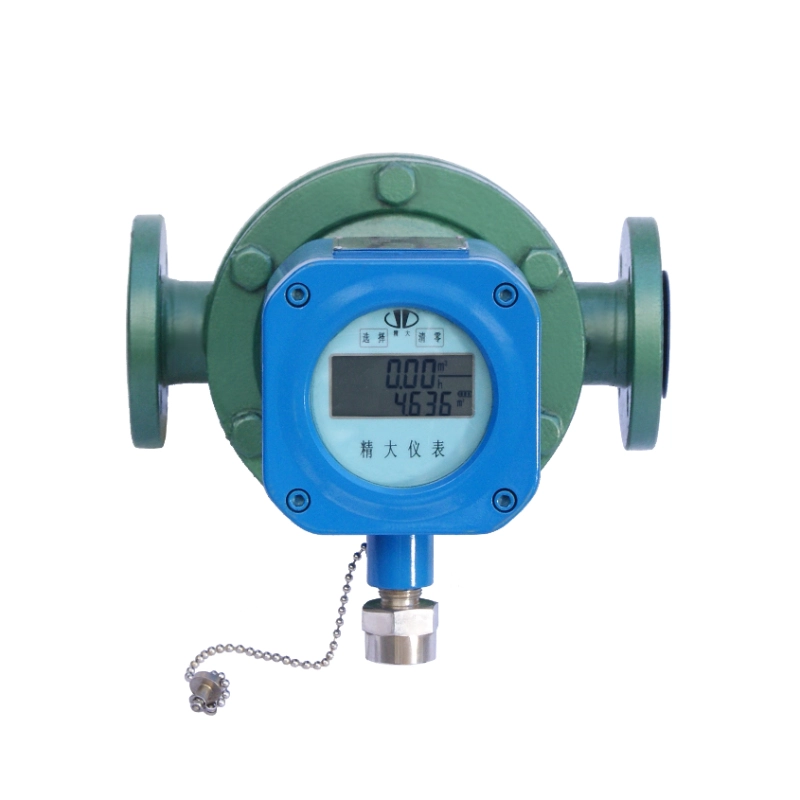
The meter can be configured with an intelligent electronic counter or a mechanical counter. An electronic counter can display cumulative and instantaneous flow and, depending on the selected configuration, provide 4–20 mA, pulse, RS485, or HART outputs. A mechanical counter provides a direct display of cumulative liquid volume.
These options help users select a measurement and data transmission arrangement that suits their monitoring requirements.
3. Selecting Suitable Materials for Different Liquids
Material compatibility is an important consideration when choosing an industrial flowmeter. The liquid’s chemical properties, operating temperature, and pressure conditions can affect the suitability and service life of the instrument.
The LC series provides different material configurations, including cast iron, cast steel, aluminum alloy, and stainless steel, depending on the model. Stainless steel options include LC-B, using 304 stainless steel, and LC-C, using 316L stainless steel, as specified in the product documentation.
When measuring corrosive or chemically active liquids, users should verify the compatibility of all wetted components rather than selecting a meter based only on the shell material. The required nominal pressure rating and connection specifications should also be confirmed before installation.
The product documentation lists an ambient temperature range of -40°C to 60°C and a standard medium temperature range of -20°C to +60°C. For higher-temperature applications, an optional heat sink arrangement is described for temperatures from 60°C to 200°C. The selected configuration must be confirmed for the intended operating conditions.
4. Integrating Flow Measurement into Industrial Monitoring
Modern production systems often require flow data to be transmitted to control equipment or monitoring systems. The LC series supports several output options to accommodate different instrumentation requirements.
- 4–20 mA output: Supports analog flow signal transmission to compatible monitoring and control equipment.
- Pulse output: Provides pulse signals that can be used for flow counting and compatible data acquisition systems.
- RS485 communication: Enables digital communication with compatible equipment.
- HART communication: Available as an option for systems that support this communication method.
With the appropriate configuration, these outputs can support integration with industrial control systems and centralized monitoring equipment. Before connecting the meter to a PLC, DCS, or other control platform, users should confirm the selected output type, communication protocol, wiring requirements, and system compatibility.
Reliable signal transmission makes it easier to collect flow data, monitor liquid transfer, and maintain consistent records without relying entirely on manual readings.
5. Typical Applications of LC Series Oval Gear Flowmeters
An industrial liquid flow meter must be suitable for the medium, measurement range, and operating conditions of its intended application. The LC series is designed for use across several industrial sectors.
- Petroleum and oil transfer: Measures liquid flow in compatible petroleum handling and transfer processes.
- Chemical production: Supports the measurement of compatible chemical liquids when the selected materials meet the application’s requirements.
- Chemical fiber manufacturing: Provides flow measurement for suitable liquids used in production processes.
- Food and pharmaceutical industries: Can be considered for compatible liquid measurement applications, subject to material, hygiene, and process requirements.
- Commercial and industrial liquid handling: Supports cumulative volume measurement and process monitoring in suitable pipeline systems.
For each application, users should consider liquid viscosity, expected flow rate, pressure, temperature, material compatibility, and required output signals. These factors help determine whether a particular LC model is appropriate for the operating environment.
6. How to Maintain Reliable Measurement Performance
Even a well-designed flowmeter requires appropriate selection, installation, and maintenance. Several practical measures can help maintain dependable measurement results.
First, select a model whose rated flow range matches the actual operating conditions. A meter that is poorly matched to the application may not deliver the expected performance.
Second, verify that the materials of the measuring chamber and other wetted components are compatible with the liquid. Pressure and temperature ratings should also meet the requirements of the pipeline system.
Third, follow the manufacturer’s installation instructions and check that the pipeline connections are properly installed. Where necessary, inspect the meter for contamination, wear, or other conditions that may interfere with gear rotation.
Finally, arrange calibration and performance checks according to the process requirements and applicable procedures. Electronic output configurations should also be checked to ensure that flow readings are transmitted and interpreted correctly by connected equipment.
7. Frequently Asked Questions
1. What is an oval gear flowmeter used for?
An oval gear flowmeter measures liquid volume using a positive displacement mechanism. It is used in applications such as petroleum transfer, chemical processing, and other industrial liquid handling processes where reliable volume measurement is required.
2. What accuracy classes are available for the LC series oval gear flowmeter?
The LC series offers accuracy classes of 0.5 and 0.2. The appropriate option depends on the selected model and the measurement requirements of the application.
3. Can an oval gear flowmeter measure high-viscosity liquids?
Yes. Oval gear flowmeters are suitable for measuring liquids across a range of viscosities, including high-viscosity fluids. However, the specific model should be selected according to the liquid’s viscosity and the required flow range.
4. What signal outputs are available for the LC series?
Depending on the selected configuration, the LC series can provide 4–20 mA analog output, pulse output, RS485 communication, and optional HART communication. Users should confirm the required output when specifying the instrument.
5. How should I select the right LC series flowmeter?
Consider the liquid’s properties, required flow range, nominal pipe diameter, operating pressure, temperature, material compatibility, and output requirements. Confirming these conditions before ordering helps ensure that the selected model is suitable for the application.
Conclusion
An oval gear flowmeter supports accurate liquid volume measurement through a positive displacement mechanism that links gear rotation to the volume of liquid passing through the measuring chamber. Accuracy options, different material configurations, multiple nominal diameters, and flexible output choices make the LC series suitable for a range of industrial measurement requirements.
Hefei Jingda Instrument Co., Ltd. is a modern enterprise developed from Hefei Instrument Factory, which was founded in 1958. The company specializes in flowmeters, oil and gas measurement equipment, and flow measurement and control systems. Its manufacturing experience and technical capabilities support customers seeking practical solutions for industrial flow measurement.
When selecting an oval gear flowmeter, users should evaluate the liquid’s properties, required accuracy, flow range, pressure and temperature conditions, and signal transmission needs. Matching these factors to the appropriate configuration is essential for achieving reliable measurement results over the course of operation.