Applications of Mass Flow Meters in the Chemical Industry
Release time: 2025-11-24
Table of Contents
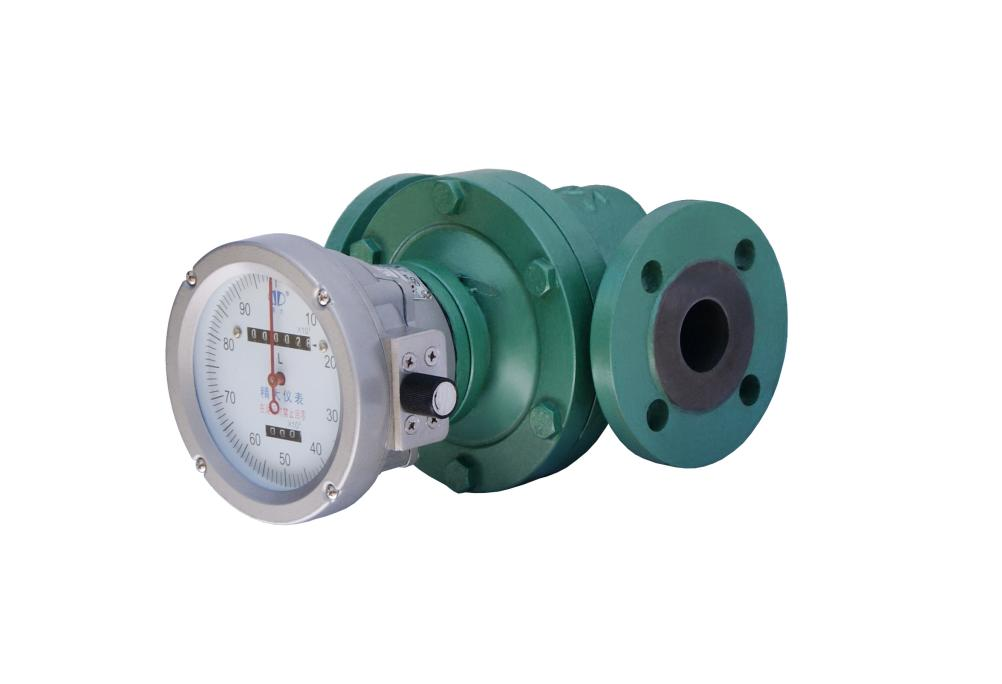
Mass flow meters are essential instruments in the chemical industry, enabling accurate and reliable measurement of the flow of gases and liquids. Unlike traditional volumetric flow meters, mass flow meters measure the mass flow rate, making them more suitable for applications where the density of the fluid may vary, or when precise control and monitoring are required. In the chemical industry, where processes often involve complex fluid dynamics, temperature variations, and precise chemical reactions, mass flow meters play a crucial role in optimizing production and ensuring the quality of end products.
1. Accurate Measurement of Raw Materials
In the chemical industry, the accurate measurement of raw materials is essential for maintaining product quality and consistency. Mass flow meters allow for precise monitoring of feedstock entering reactors, mixers, and other processing equipment. For instance, when blending chemicals, it’s critical to ensure that each ingredient is added in the correct proportion. A mass flow meter provides real-time measurements of the mass flow of each material, ensuring that the correct ratios are maintained, leading to more reliable and consistent production outcomes.

2. Control of Chemical Reactions
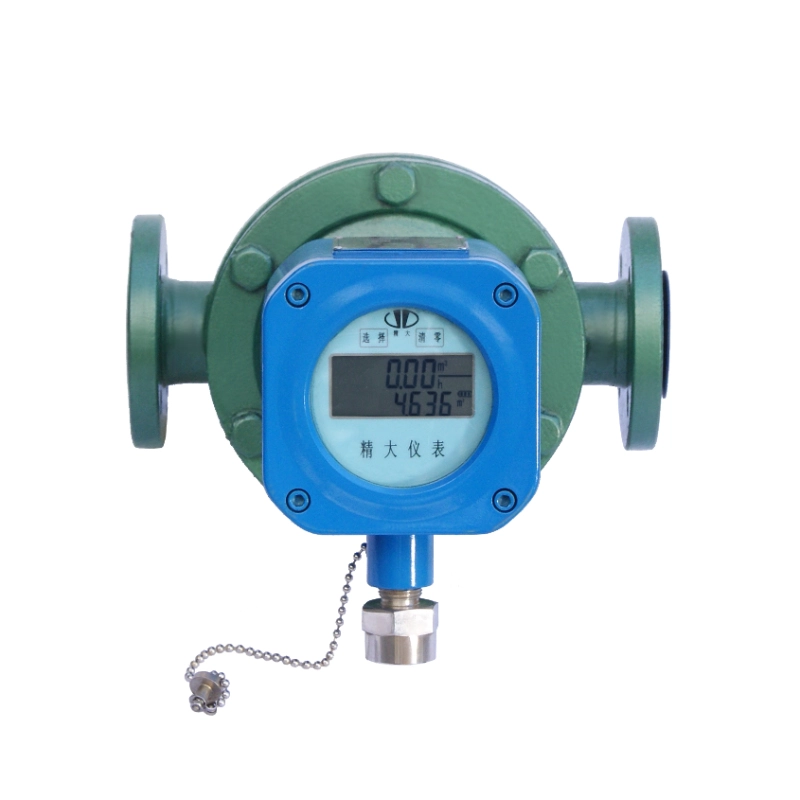
Chemical reactions are often highly sensitive to the flow rates of reactants, temperature, and pressure. In many industrial chemical processes, such as polymerization, refining, or the production of specialty chemicals, the rate at which reactants are fed into the system directly influences the reaction kinetics and, ultimately, the quality of the final product. Digital mass flow meters enable precise control over the input of raw materials into reactors by continuously monitoring the flow rate. This allows operators to make adjustments in real time, ensuring optimal reaction conditions and preventing issues such as incomplete reactions or excessive energy consumption.
3. Energy Efficiency and Cost Reduction
The accurate measurement of mass flow is not only vital for ensuring product quality, but it also plays a significant role in improving energy efficiency and reducing production costs. By optimizing the flow rates of gases, liquids, or slurry, mass flow meters help to prevent waste and minimize the use of expensive raw materials. Additionally, these devices help to ensure that energy-intensive processes, such as heating or cooling, are only activated when necessary, thereby reducing overall energy consumption. This can be especially important in energy-intensive processes like distillation, where the correct mass flow rates contribute directly to minimizing energy usage and operational costs.
4. Custody Transfer and Quality Assurance
In chemical production, custody transfer refers to the measurement and exchange of materials between different parties, such as suppliers and manufacturers or between production units within the same facility. Mass flow meters are commonly used in custody transfer applications to ensure accurate billing and quality control. Since they measure the actual mass of the material rather than its volume, mass flow meters can account for variations in temperature and pressure, which can cause volumetric flow readings to be inaccurate. This makes them an invaluable tool for ensuring that the correct quantity of material is exchanged, with minimal discrepancies or disputes.
5. Monitoring of Hazardous Gases and Liquids
Many chemical processes involve hazardous materials, including toxic gases and volatile liquids. The ability to monitor and control the flow of these substances is vital for both safety and regulatory compliance. Mass flow meters are often used in the chemical industry to monitor gases such as hydrogen, nitrogen, or carbon dioxide, as well as liquids like acids, solvents, or oils. These meters can provide real-time data that helps ensure that hazardous substances are handled within safe flow parameters, preventing accidents such as overflows, leaks, or dangerous reactions.
6. Process Optimization and Automation
The integration of mass flow meters with advanced process control systems and automation software is transforming how chemical plants operate. By providing real-time data on flow rates, high-accuracy mass flow meters allow operators to automate various aspects of the production process, improving overall efficiency. Automated systems can adjust parameters such as flow rates, temperature, and pressure based on mass flow data, leading to better process optimization, reduced human error, and more consistent product quality.
In conclusion, mass flow meters are indispensable tools in the chemical industry, where precision, safety, and efficiency are paramount. Their ability to provide accurate measurements of mass flow rates, even in fluctuating conditions, makes them ideal for a wide range of applications, from controlling chemical reactions to improving energy efficiency. As chemical industries continue to evolve and incorporate more advanced technologies, mass flow meters will remain a critical component in optimizing production, reducing costs, and ensuring product quality and safety.